
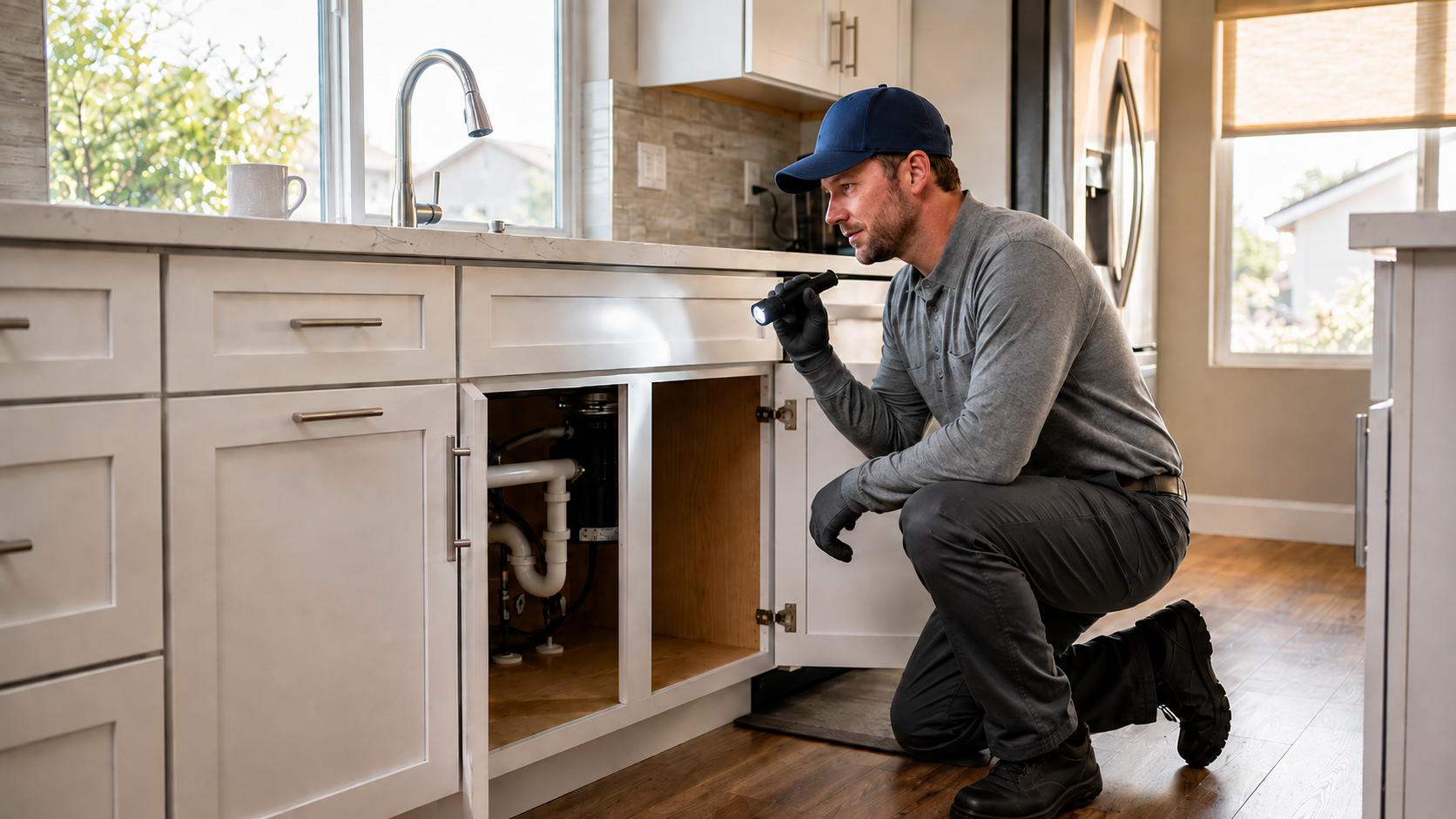
If German cockroaches have taken hold in your kitchen, effective German cockroach treatment in Santa Clarita means a specialized program that pairs a chemical treatment with rotated gel baits. A single spray rarely works. These roaches breed quickly, spend most of their lives hidden in cracks a spray never reaches, and the products sold at the hardware store usually do not control them. That is why a store spray reduces the roaches you can see for a few days, and then they come back.
At CVA Exterminators, we have been treating German cockroaches in Santa Clarita Valley homes for many years, and we run this work as its own specialized service instead of folding it into a standard pest plan. We are also upfront about what to expect. A good program brings the population down over several weeks, with monitoring and follow-up along the way. Anyone promising to make every roach disappear overnight is overpromising.
Why German cockroaches are so hard to control
German cockroaches are their own kind of problem, and it helps to understand why before you spend money trying to solve it the wrong way.
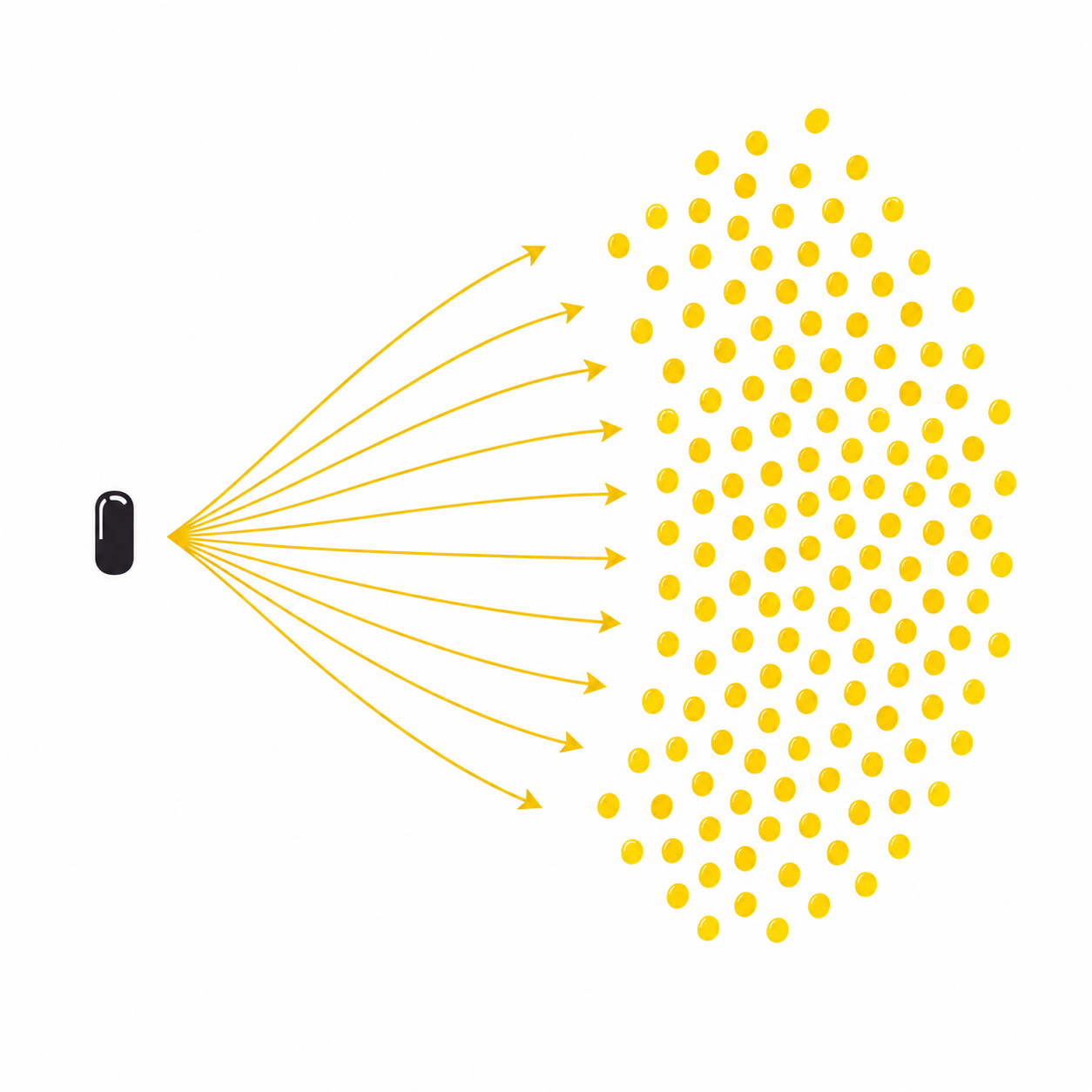
The first reason is how fast they breed. A single female can produce several egg cases over her life, and each one holds roughly 30 to 40 young. That is how a few roaches under the sink become a large problem within a couple of months. A treatment that reduces the roaches you can see but leaves the breeding females and hidden young behind does not solve the problem.
The egg cases are their own obstacle. An egg case, called an ootheca, is largely shielded from the materials used in treatment, and once a female has dropped hers, it can hatch on its own whether or not she is still in the picture. Reducing the adults you can see does not stop the next generation from arriving. You can read more about their biology from the University of Florida's extension program.
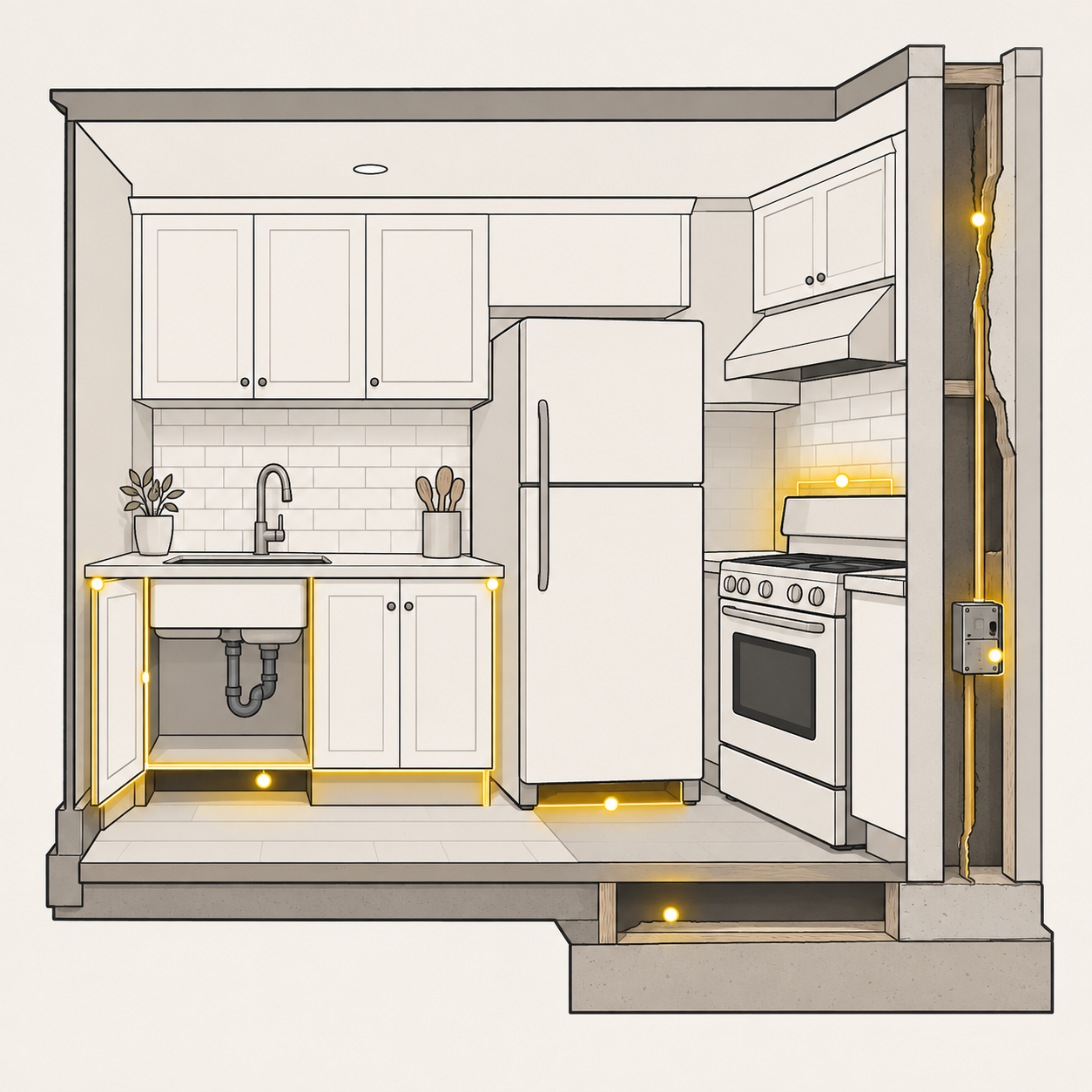
The second reason is where they live. German cockroaches spend most of their time tucked into cracks and crevices close to food and water: the gaps around sinks and cabinets, behind and under the refrigerator and stove, near electrical boxes, and inside wall voids. Most of the population is never sitting on an open floor or baseboard waiting to be sprayed. The very young roaches are the most likely to stay hidden, and they are exactly the ones a surface treatment misses.
The third reason is resistance. German cockroaches are widely resistant to the insecticides in common store products, including the pyrethroids in many sprays. There is a quick way to check whether the can in your hand is one of them. Look at the active ingredient on the label. Most pyrethroid names end in "thrin," like permethrin, cypermethrin, and deltamethrin. This resistance is well documented, and it is not tied to a single product or a single chemical, so switching from one hardware-store spray to another usually does not change the outcome.
Why store sprays and foggers usually make it worse
After a homeowner has tried supermarket sprays, we often hear that the spray worked on the roaches they hit directly. A product can affect the roach you spray on contact and still do almost nothing to the infestation. Once a spray dries on a surface, its effect on German cockroaches drops off sharply, and the roaches simply avoid or survive it.
Foggers and bug bombs are worse for this pest. They tend to push roaches out of one harborage and scatter them into new areas of the home rather than controlling them. They can also leave repellent residue in the exact spots where bait needs to go later. The University of California's IPM program recommends against foggers for cockroaches for this reason and notes that baits give better control than sprays.
If you want the everyday habits that keep roaches from getting a foothold in the first place, like sealing food, fixing leaks, and cleaning up crumbs and grease, our general German roach control guide covers those. This article is about why German cockroaches in particular are so tough and what a specialized treatment does.
Here is how a store spray compares with a specialized program on the things that decide whether German cockroaches come under control.
| What matters with German cockroaches | Store spray or fogger | A specialized program |
|---|---|---|
| Reaching roaches hidden in cracks and voids | Mostly treats surfaces you can see | Baits and targeted materials placed into the harborages |
| Roaches that resist common insecticides | Often the same chemicals roaches already resist | Baits rotated across different active ingredients |
| Egg cases that treatment materials do not reach | Not addressed | Follow-up timed to the roaches hatching afterward |
| Young roaches that stay hidden | Rarely reached | Reached through bait transfer and a growth regulator |
| Knowing whether it worked | No follow-up | Monitoring and follow-up visits |
What our German cockroach treatment involves
On most German cockroach jobs we use a combination of chemical treatment and bait. Bait is central to the work, because it does something a chemical sprayed on a surface cannot. Our technician looks at the home first, finds where the roaches are harboring, and builds the treatment around those spots rather than treating blindly.
The materials each do a different job
A specialized roach treatment layers several materials that each handle a different part of the problem:
- A residual material placed in the areas where roaches travel and harbor, for lasting population reduction.
- A flushing agent that brings hidden roaches out, so we can find and treat the harborage they are using.
- An insect growth regulator, or IGR, that keeps young roaches from maturing into breeding adults, which slows the next generation and cuts the breeding cycle.
- A rotated gel bait program, which is the part that reaches roaches the other materials do not.
Our technicians place these materials deliberately so they work together rather than against each other. Where the bait goes matters, and so does keeping repellent materials away from it, because roaches will not feed on bait that has been contaminated by a spray.
Why we rotate cockroach gel baits
We rotate our gel baits among different products so the population does not adjust to any single one. Roaches can develop resistance to a material they are exposed to over and over, so each round of bait is chosen to work through a different pathway than the last. Rotation helps slow resistance. It does not make resistance impossible, which is one more reason this pest needs monitoring and follow-up rather than one visit and a promise.
How bait reaches roaches a spray never touches
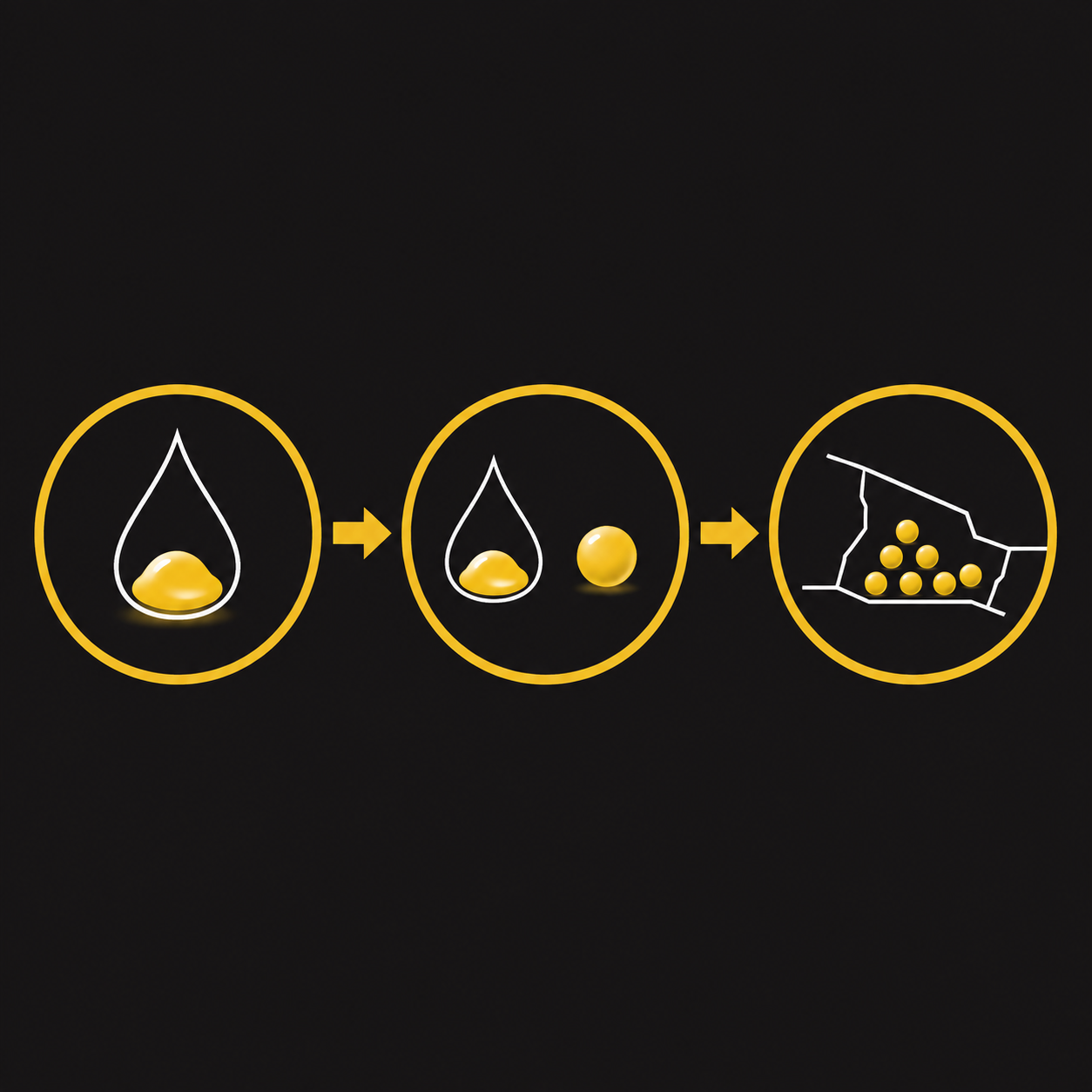
This is the part that makes bait work where a spray cannot. The larger, older roaches feed on the gel bait first. The bait's active ingredient stays in what they leave behind. Younger roaches, which often stay tucked in the harborage and rarely travel out to feed, then feed on that material. This behavior is called coprophagy, which simply means feeding on droppings.
Through it, the active ingredient is carried from the roaches that visited the bait to roaches deep in the harborage that may never reach the bait themselves. A surface spray cannot do that. A spray only affects what it lands on. Bait keeps working its way through the population, including the young roaches that would otherwise repopulate the home. It does not reach every roach in a neat chain reaction, which is why the program still includes monitoring and follow-up. But it reaches places and life stages a spray leaves untouched.
When your kitchen can't be fully prepped
A chemical treatment works best when the home is prepared for it, and we know that is not always possible. Some households cannot fully empty and clean out a kitchen before service, and that is common with busy families and rentals. The bait side of the program still works in that situation. Control usually takes a little longer without full prep, but the bait keeps doing its job.
Why German cockroaches aren't part of a standard pest plan
German and brown-banded cockroaches sit outside our standard Three Zone plan and are handled as a separate specialized service. They need a different kind of work than the ants, spiders, and outdoor roaches a regular plan covers. The job involves inspecting and mapping harborages, choosing chemistry deliberately, managing a rotated bait program, addressing the young roaches and the egg cases that hatch after treatment, and coming back to check the results. A calendar-based perimeter service is built for a different kind of pest.
How long German cockroach control takes
You may see some results within the first few days, but a clear drop in how many roaches you see usually takes about a week or longer. From there, bringing an indoor infestation under control generally takes several weeks, often two to three weeks for many homes, with monitoring and follow-up baiting along the way. Larger infestations, homes where roaches have spread widely, and populations that have picked up resistance can take longer.
Part of that timeline is the egg cases. Because they are shielded from treatment materials, a round of young roaches can appear after the first visit even when the treatment is working exactly as intended. That is expected, and it is what the follow-up visits are there for.
How long your home takes depends on the size of the infestation, how far the roaches have reached, sanitation, and whether they resist materials used before. We judge success by what the monitors show and by whether we are still finding young roaches and egg cases, and we will tell you what to expect for your home rather than promise a date.
Are German cockroaches a health concern?
Yes, mainly because of allergens. Their droppings, shed skins, and saliva contain proteins that can trigger allergy and asthma symptoms, and cockroaches are a recognized asthma trigger, especially for children. The U.S. Environmental Protection Agency has more on the connection between cockroaches and asthma.
They can also carry microorganisms onto counters, dishes, and food-contact surfaces as they move through a kitchen. Allergen can linger even after the roach population has been reduced, so cleaning and vacuuming matter alongside treatment.
On a heavy infestation, your technician may vacuum roaches during the service to bring the population down. That is a call the technician makes at your home based on what the situation needs, rather than a standard step on every job.
Cleaning is separate work, and it belongs to the household. CVA treats the roaches and does not offer cleaning services, so removing droppings, shed skins, and debris from cabinets, counters, and floors is something you or a cleaning service will need to take care of.
Frequently asked questions
Why do German cockroaches keep coming back after I spray?
Because a spray mostly reaches the roaches you can see, while the breeding females, the hidden young, and the egg cases stay tucked in cracks and voids. An egg case is largely shielded from treatment materials and hatches on its own, so the home repopulates within weeks. Many populations also resist the chemicals in store sprays, so the same product rarely works better the second time.
Can I treat German cockroaches myself?
We do not recommend it. German cockroaches breed fast, hide well, and often resist common products, so DIY treatment tends to reduce the visible roaches without reaching the source, and repellent sprays can make a later professional treatment harder by contaminating the spots where bait needs to go.
Get German cockroach help in Santa Clarita
If you are dealing with German cockroaches in the Santa Clarita Valley, we can help. Our German cockroach service is a separate specialized service starting at $220, and pricing is subject to change. We are licensed by the California Structural Pest Control Board, and you can look up any pest control company's license through the Board before you hire anyone. Someone who knows this pest will look at your home, map where the roaches are harboring, and set up a bait and treatment program built for your situation. Learn more on our cockroach control page, or contact us to get started or call us anytime at (661) 765-8938.